
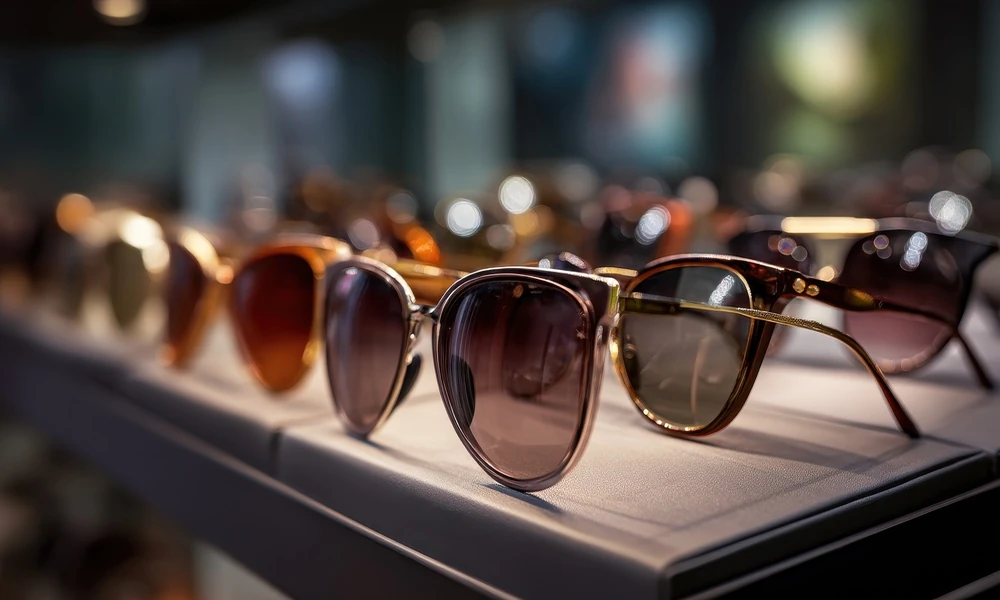
Your personal style makes a poor buying guide. That stings a bit, especially if you’ve got a good eye for frames. But the math is simple. One pair of eyes is doing the ordering for a whole store, and the people walking in don’t share your face shape, your wardrobe, or your budget. A good chunk of them want frames you’d hang right back up.
The Rack Starts to Look Like You
Preference creeps in slowly. Somebody partial to thin black frames orders thin black frames in March, then orders them again in September, maybe with a different temple detail this time. Two years later the display is saying one thing in twelve barely different ways, and the woman hunting for a wide tortoise square has already left. No one sets out to do that. The easiest correction is pulling up last season’s sales and reading them cold, before you ever open a new catalog.
Pay Attention to the Rejects
What sold is useful information. What almost sold is better. Park yourself near the display for twenty minutes and count the pairs that go on a face and then get set back down, because those rejections are usually about fit, not looks. It’s the same short list of reasons every time. Temples too short for a bigger head. A bridge that pinches. Lenses riding high enough to slice across the eyebrows. When one shape gets handled constantly and bought almost never, the style landed and the measurements missed.
Fit Carries More Weight Than Trend
A trendy shape gets someone to pick up a pair. Fit is what gets them to the register. Angular frames tend to flatter rounder faces. Curves take the edge off a strong square jaw. Put an oversized frame on a narrow face and the face disappears, and a frame that’s too narrow for a broad head starts digging in by early afternoon. Translation for your order form: buy across the spread. A few big, a few middling, a few slim, with the bridge widths and temple lengths varying too. This isn’t complicated. It mostly means stopping the habit of ordering one size and hoping it covers everybody.
Who Actually Walks In
A shop three blocks from the beach has a different range of products than the one across from the hospital. Vacationers prefer bright colors and mirrored lenses. Ones to match their mood. Age shifts the picture too. Younger shoppers prefer slim rectangles and darker shades while older customers often value lightweight, spacious lenses that reduce highway glare. Budgets scatter all over. So give them a cheaper shelf and a nicer shelf.
Bet Small, Then Chase the Winners
Smart purchasing involves making many small bets rather than taking a single large risk. Order a handful of each shape. See what clears and then reorder hard on whatever moved. Buying bulk designer sunglasses (oesunglasses.com/collections/bulk-sunglasses) drops the cost per pair low enough that a bad guess barely registers on the books. Furthermore, a supplier like OE Wholesale Sunglasses lets a shop pull several shapes, colors, and price points into one order. Keep notes, though. Write down what sold out in July and what’s still hanging there in October. Two seasons of that will beat ten years of instinct.
Conclusion
The frame you think looks goofy will outsell three of your favorites. Happens constantly, and there’s no real explaining it. Leave a slot in every order for the stuff that makes you wince, because somebody out there thinks it’s perfect, and their money spends the same as everyone else’s. Let the sales decide. Your taste can take the afternoon off.
